
So you’ve got a home tour lined up — exciting! But walking through a house can feel a little overwhelming, especially if it’s your first time.
You’re trying to picture your life there while also keeping an eye out for potential problems. Don’t worry — we’ve got you covered. Here’s what to focus on when you step through that front door.
1. First Impressions Matter — But Don’t Stop There
When you pull up to the property, take a good look around. How does the exterior hold up? Check for cracked driveways, peeling paint, or sagging gutters. These aren’t just cosmetic issues — they can signal deferred maintenance that might cost you down the road.
Once inside, notice how the home feels. Does it smell musty? Is the lighting good? Trust your instincts, but pair them with a careful eye.
2. Check the Foundation and Structural Integrity
This one’s big. Look for cracks in the walls, especially diagonal ones near door frames or windows — those can indicate settling or structural movement. Uneven floors, doors that stick, and gaps around window frames are also red flags worth noting.
You don’t need to be an engineer, but you do need to pay attention. A good home inspector will dig deeper, but spotting early signs during your tour is a smart first step.
3. Look Up, Down, and Around for Water Damage
Water damage is one of the most common — and costly — issues in New England homes, and after the brutal winter we had in February 2026, it’s more important than ever to look carefully. This season’s heavy snow and freeze-thaw cycles created the perfect conditions for ice dams, which can force water up under roof shingles and cause serious damage inside the home. When you’re touring, keep a close eye on the ceilings — especially near exterior walls and below the roofline — for water stains, bubbling paint, or discoloration. These are classic signs of ice dam damage.
Also check around windows and along the tops of walls for staining or peeling. Head to the basement and look for dampness, efflorescence (white mineral deposits on concrete), or a sump pump. If you notice fresh paint on ceilings or walls, it’s worth asking whether it’s covering something up. In our MA and NH climate, water intrusion is something you absolutely want to catch before closing.
4. Test Everything You Can
Turn on the faucets. Flush the toilets. Flip light switches. Open windows and doors. Run the garbage disposal. These simple checks can tell you a lot about the condition of the home’s systems. Low water pressure, slow drains, or flickering lights might point to plumbing or electrical issues that deserve a closer look. Don’t be shy about touching things — that’s what tours are for!
5. Inspect the Heating, Cooling, and Electrical Systems
Ask about the age of the HVAC system, water heater, and electrical panel. In older New England homes, you might come across outdated electrical panels (like Federal Pacific or knob-and-tube wiring) that could be a safety concern. A newer HVAC system can be a real selling point; an aging one might mean a big expense in your near future. If possible, find out when these systems were last serviced.
6. Think About the Layout and Flow
Beyond the physical condition, ask yourself: does this home actually work for how you live? Is there enough storage? Do the bedrooms feel private enough? Is the kitchen layout practical? Where does the natural light come in throughout the day? These lifestyle questions matter just as much as square footage. A home might check all the condition boxes but still not feel right for your family — and that’s okay to acknowledge.
7. Look Beyond the Staging
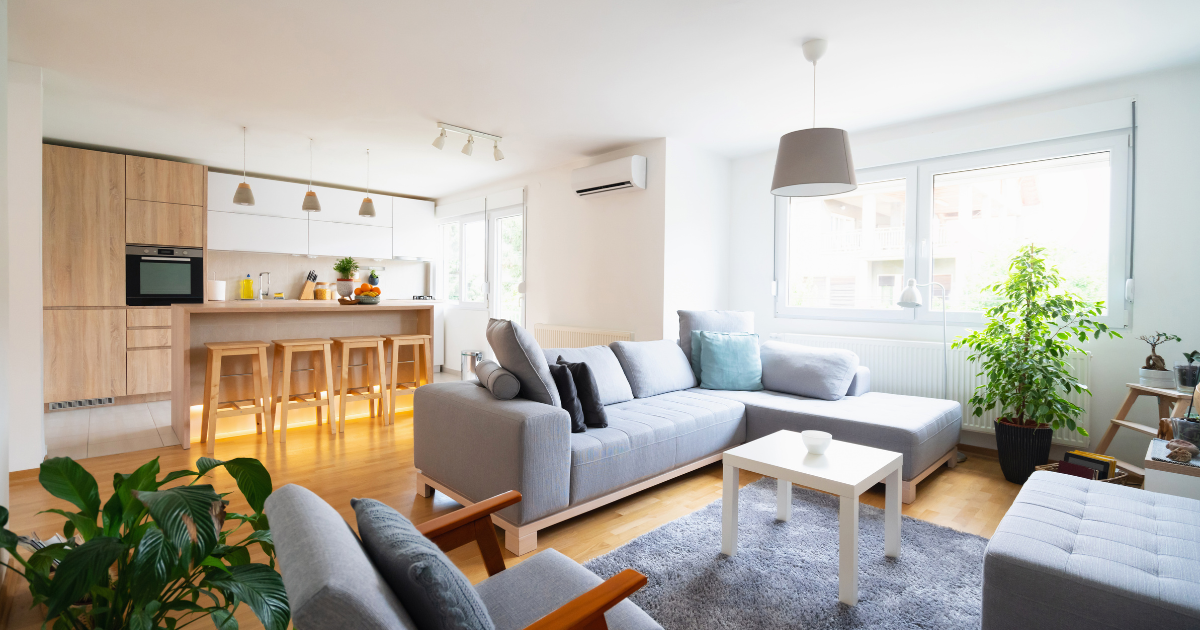
Sellers (and their agents) put a lot of effort into making homes look their best. Furniture placement, fresh paint, and good lighting can make spaces feel bigger and more inviting.
Try to look past the decor and imagine the space empty. Is the room actually big enough for your furniture? Are there enough outlets in the right places? Is that accent wall hiding something? Take photos and notes so you can review them later with fresh eyes.
8. Don’t Forget the Neighborhood
A home tour isn’t just about the four walls — it’s about the community around it. After the showing, take a short drive or walk around the neighborhood. How are the neighboring properties maintained? Is there a nearby park, grocery store, or school that matters to you? For our MA and NH buyers, commute times and proximity to good schools are often top priorities. Get a feel for the area at different times of day if you can.
9. Take Notes and Ask Questions
It’s easy to forget details when you’re touring multiple homes. Bring a notepad (or use your phone) and jot down your impressions — good and bad — for each property. Ask the listing agent questions: Why is the seller moving? How long has it been on the market? Have there been any recent repairs? What’s included in the sale? The answers can give you valuable context and even some negotiating leverage.
Ready to Start Touring? We’re Here to Help.
Touring homes is one of the most exciting parts of the buying process, and having an experienced local agent by your side makes all the difference. At Laffely Real Estate Associates, we know the Massachusetts and New Hampshire markets inside and out. We’ll help you ask the right questions, spot potential issues, and find a home that truly fits your life.
Give us a call today at (978) 255-4788 — we’d love to tour some homes with you!